
Key Takeaways
- Virtual staging helps buyers understand room size and layout.
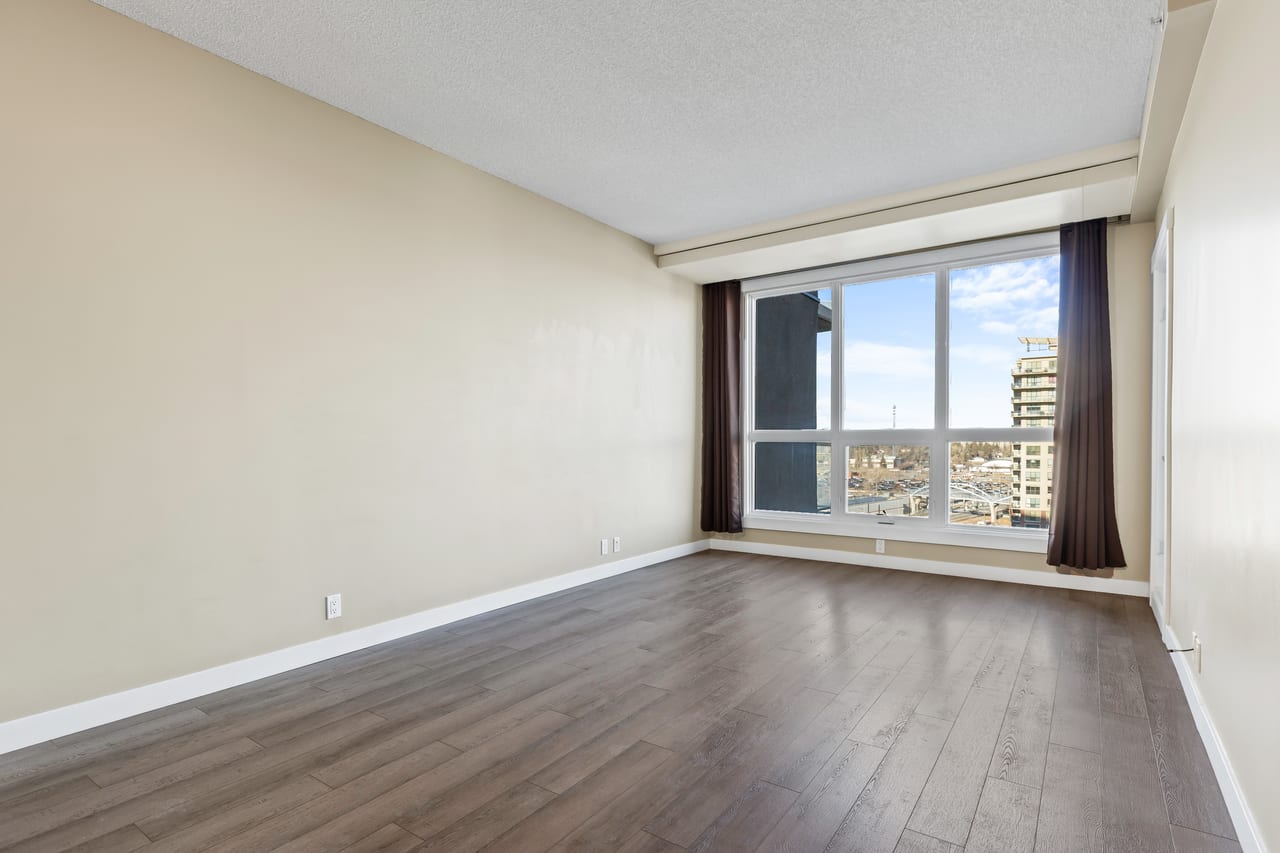
- Empty rooms often appear smaller in listing photos.
- Realistic furniture design is critical for credibility.
- Virtual staging is commonly used for condos, new builds, and vacant homes.
- MLS-compliant disclosure may be required for virtually staged images.
- Virtual staging is usually more affordable than physical staging.
What Is Virtual Staging?
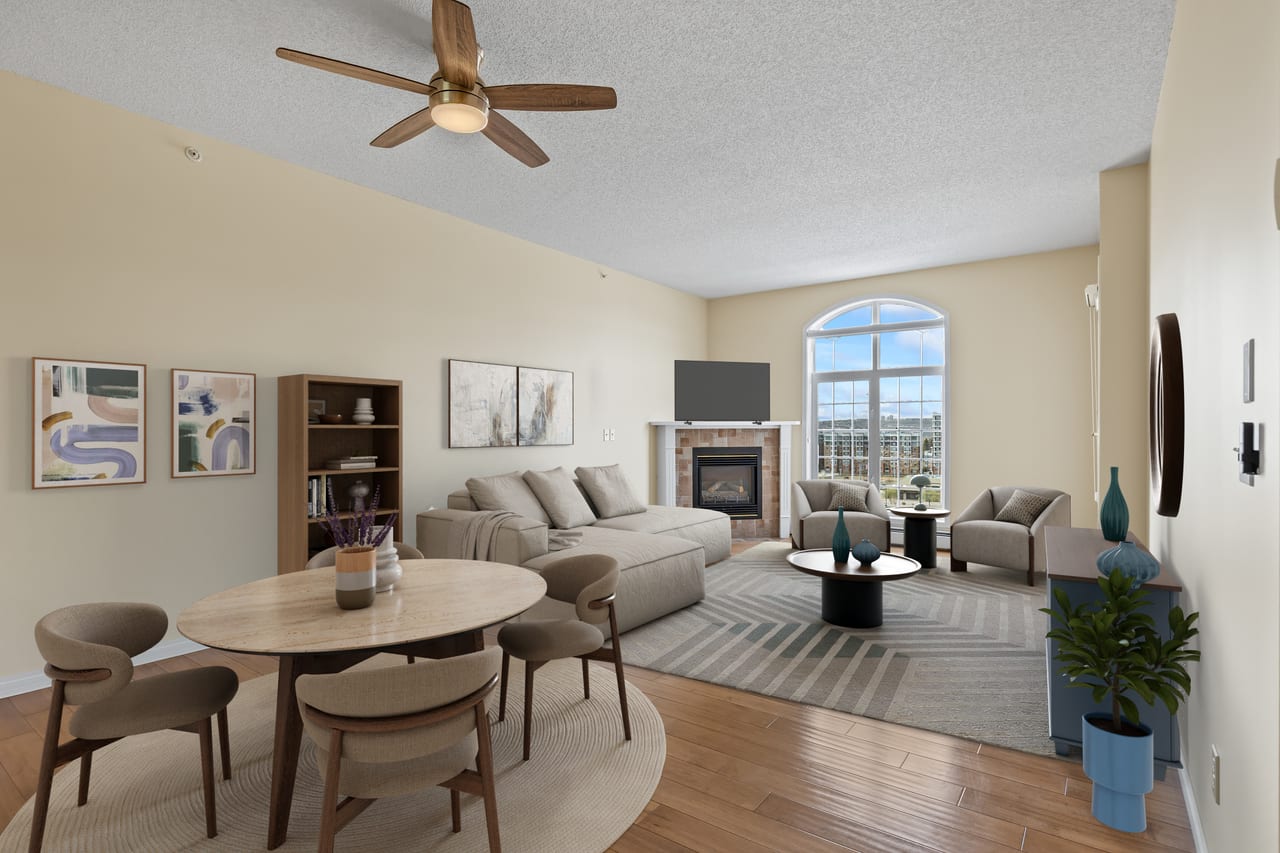
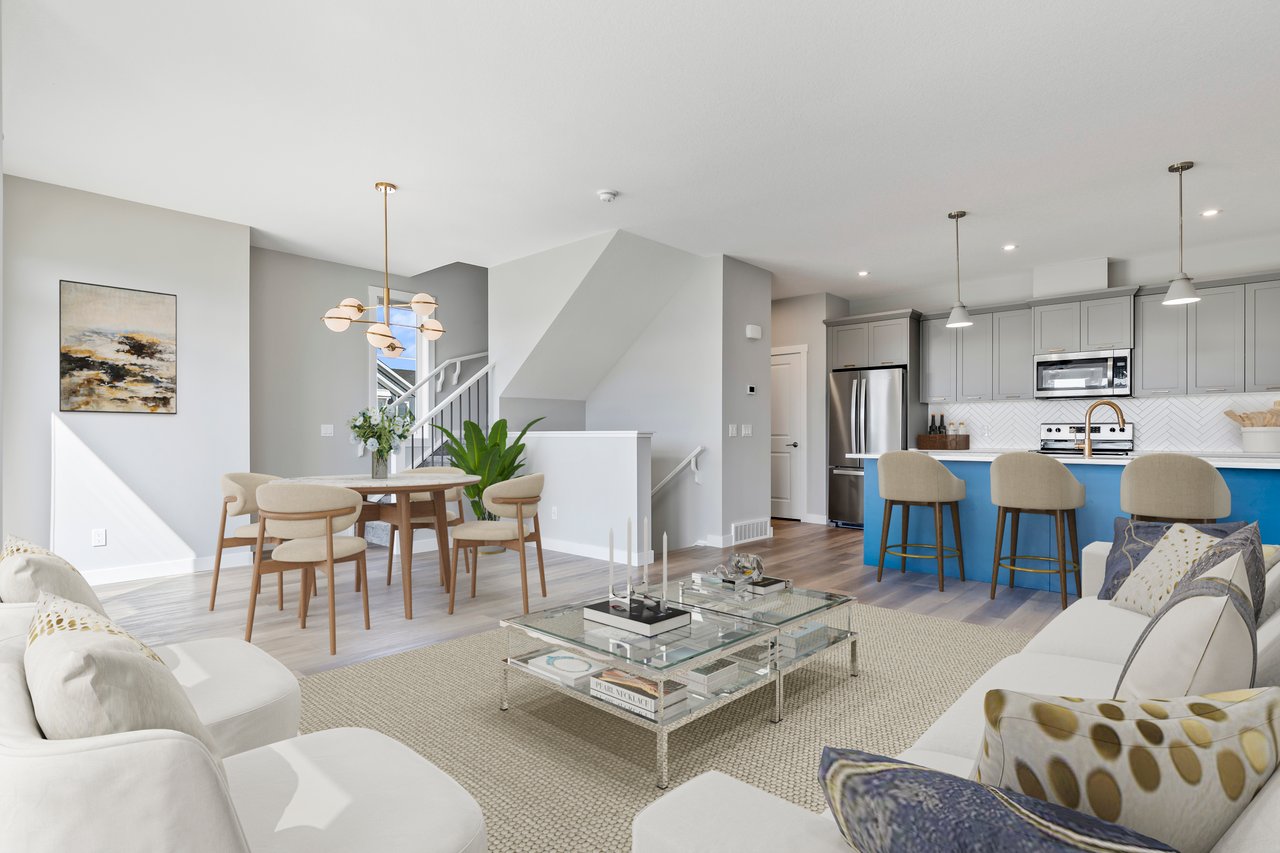
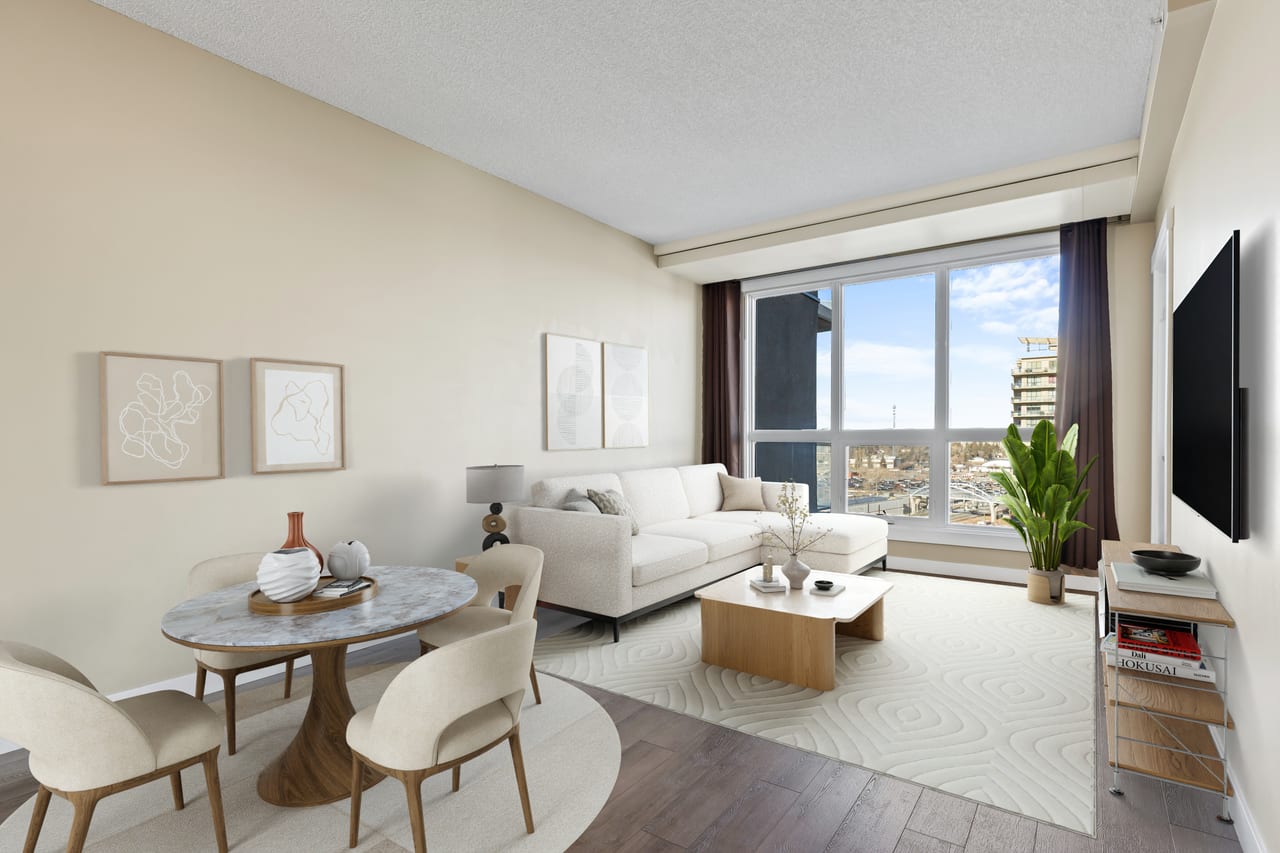
Virtual staging is the process of adding realistic digital furniture, decor, rugs, artwork, and accessories to real estate photos. No physical furniture is delivered to the property, and the original room remains vacant during the photo shoot.
Real estate virtual staging is used primarily in vacant properties where buyers need help understanding scale, furniture placement, and room purpose. It can turn empty rooms into digitally staged real estate photos that feel warmer and easier to interpret online.
For Calgary real estate photography, virtual furniture staging is often used for condos, new builds, investment properties, estate sales, rental turnovers, and vacant homes where physical staging may not be practical.
Why Vacant Homes Are Harder to Market Online
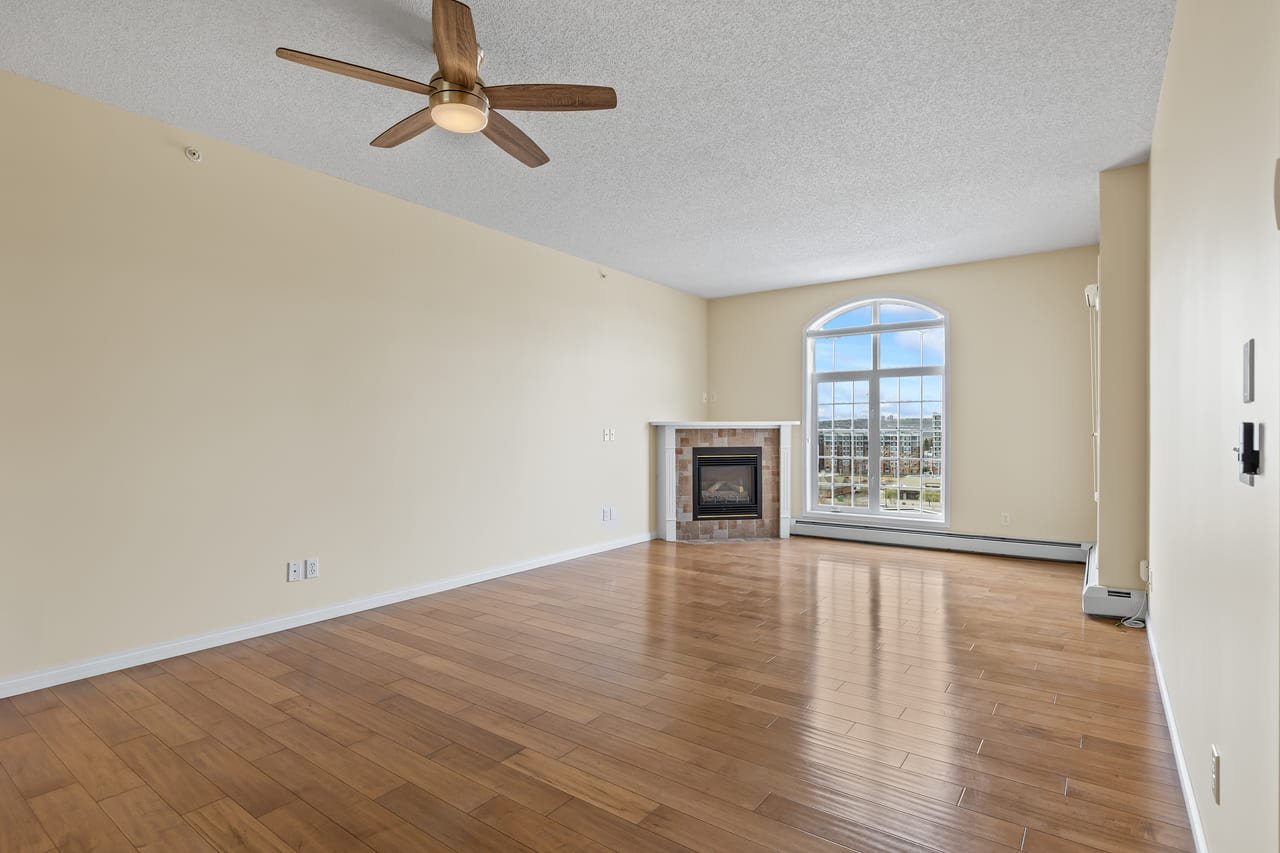
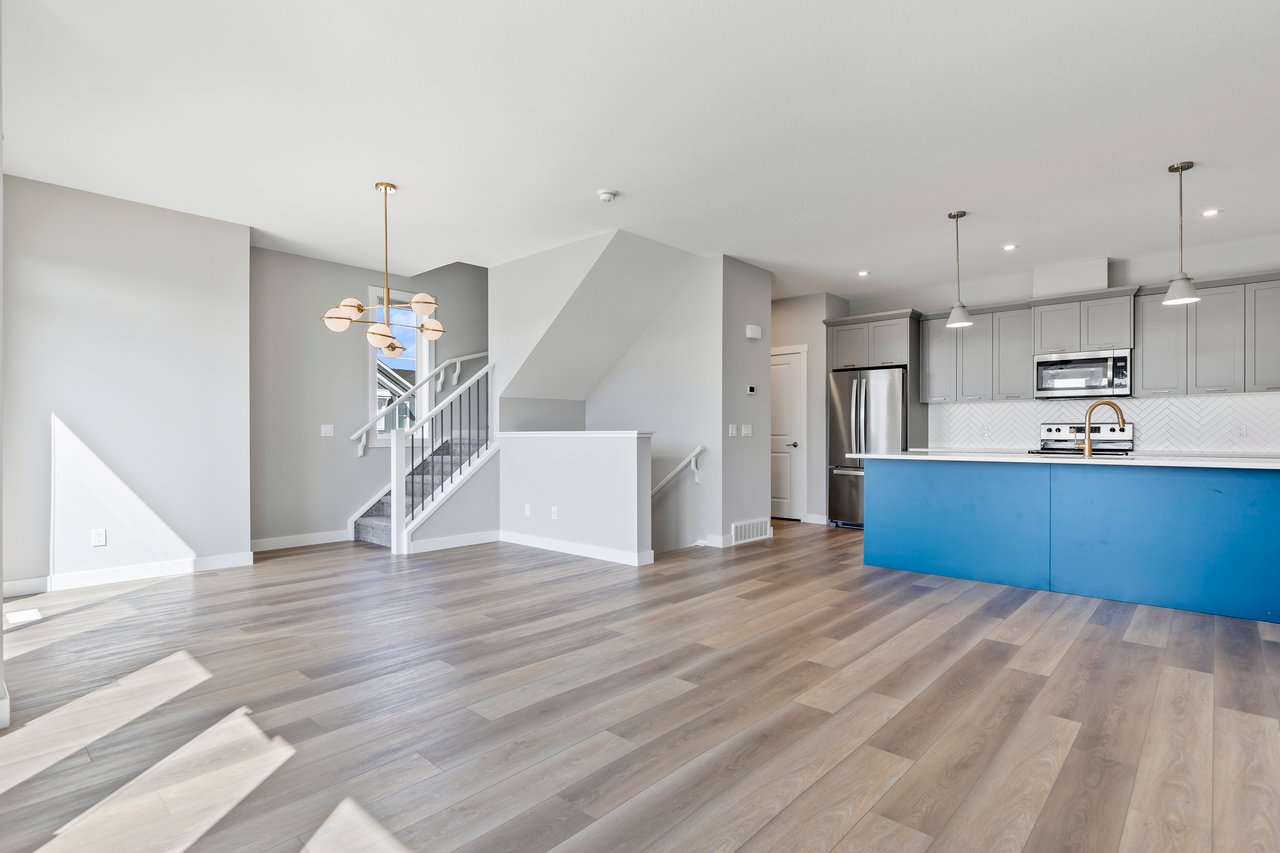
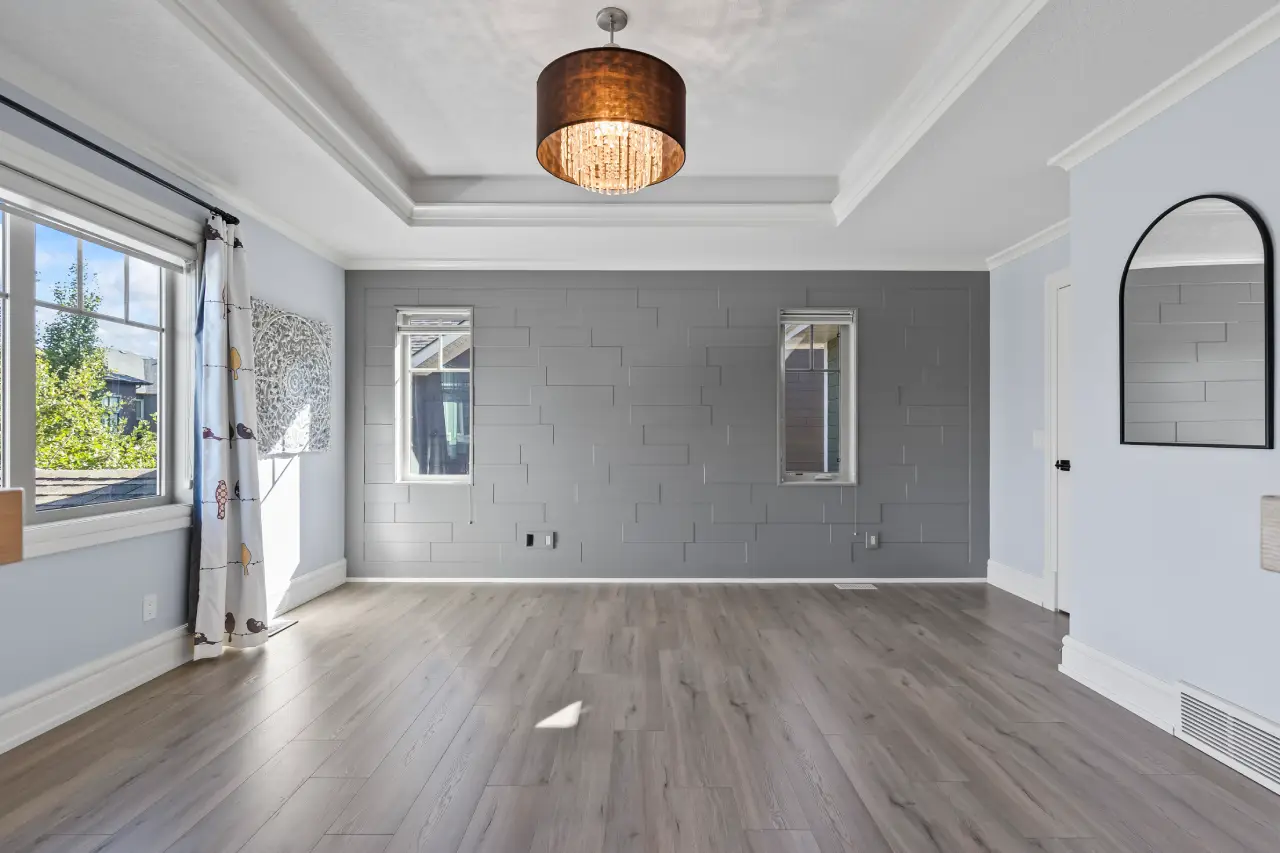
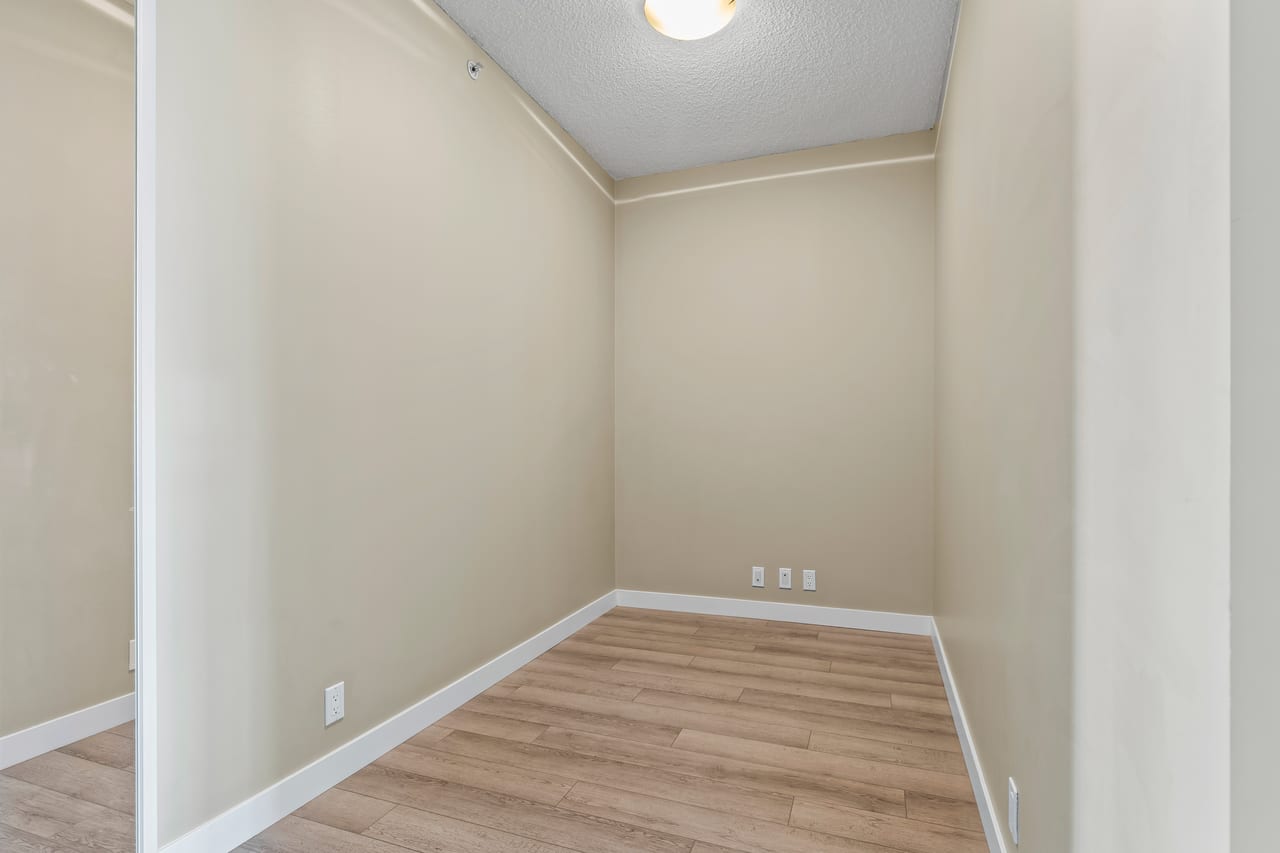
Most buyers begin their home search online, and vacant rooms can be difficult to interpret without visual context. Empty spaces often feel smaller, colder, and less emotional because buyers have no furniture reference for scale or lifestyle.
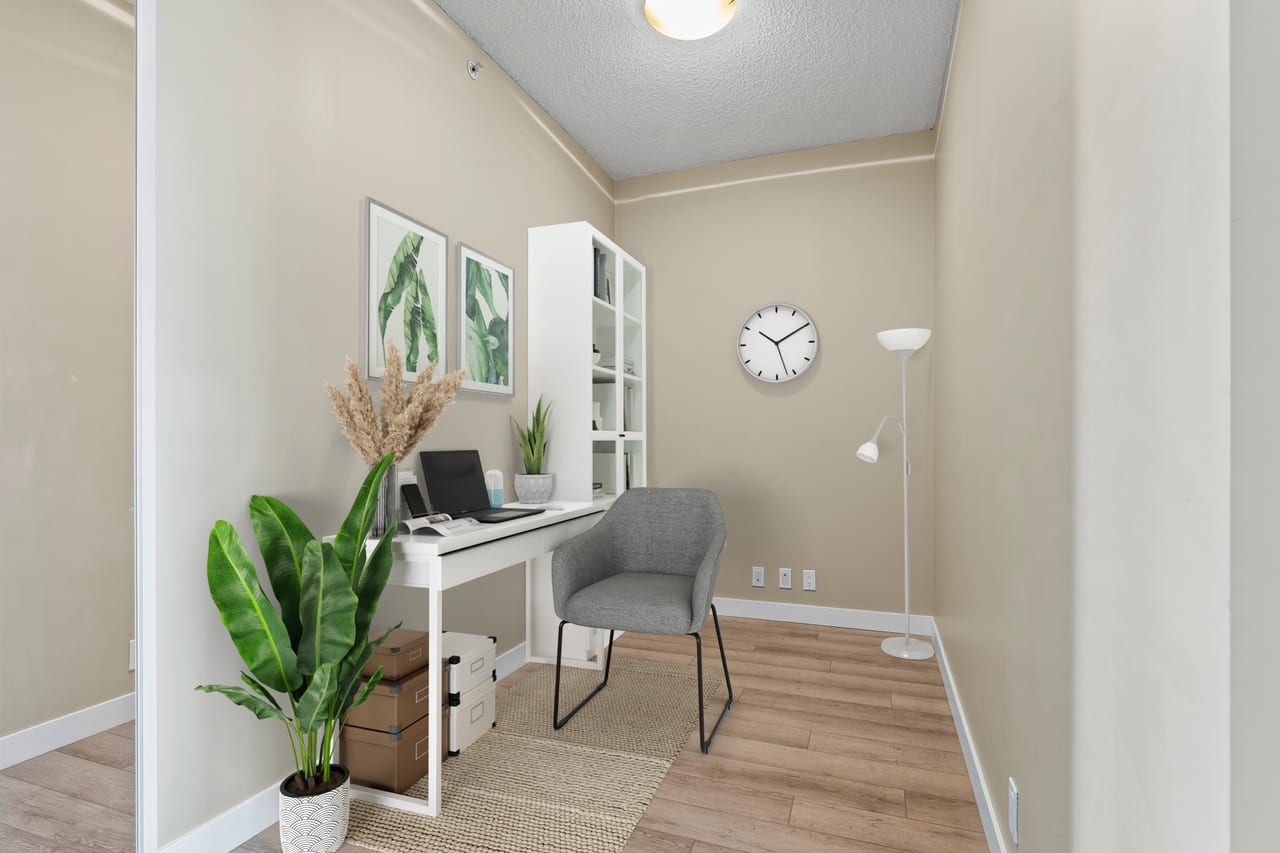
Without furniture, buyers may struggle to understand whether a space works as an office, bedroom, dining area, family room, or flex space. Online shoppers also scroll quickly, so vacant listing photos may not create enough immediate interest to stop the scroll.
Virtual staging for vacant homes helps create a more inviting and understandable presentation. It gives buyers a clear idea of how the space could function while keeping the marketing process faster and more affordable than traditional staging.
Benefits of Virtual Staging for Calgary Listings
Virtual staging Calgary listings is most effective when it solves a specific marketing problem: the room is empty, the layout is unclear, or buyers need help imagining how the home could feel furnished.
Helps Buyers Understand Room Purpose
Virtual staging can show whether an empty room is best used as a bedroom, office, dining space, family room, basement seating area, or awkward flex space. Clear room purpose helps buyers move through the listing photos with less confusion.
Makes Rooms Feel More Inviting
Furniture, rugs, artwork, and warm decor can add lifestyle presentation and emotional connection. Instead of seeing an empty shell, buyers can imagine daily life in the home.
More Affordable Than Physical Staging
Physical staging can involve furniture rental, delivery logistics, setup, removal, and scheduling coordination. Virtual staging is usually more affordable, faster to complete, and easier to use for online marketing when the home is vacant.
Useful for Remote and Online Buyers
Relocation buyers, investors, international buyers, and mobile-first shoppers often rely heavily on online listing photos. Digitally staged listing photos can make a vacant property easier to understand before an in-person showing.

What Makes Virtual Staging Look Realistic?
Realistic virtual staging for MLS listings depends on design quality, restraint, and accuracy. The staging should support the property, not distract from it or misrepresent it.
Matching Furniture to the Property Style
Modern condos, luxury homes, and traditional family homes should not all use the same furniture package. The staging style should match the architecture, finishes, price point, and likely buyer profile.
Proper Furniture Scale and Placement
Oversized furniture looks fake and can make rooms feel smaller. Realistic spacing matters, pathways should remain visible, and furniture should be placed where it could reasonably fit in real life.
Consistent Design Across Rooms
A cohesive colour palette and consistent decor style create better buyer perception. If every room uses a different design style, the listing can feel disjointed and less credible.
Avoiding Overediting
Unrealistic sunsets, excessive decor, cluttered staging, impossible furniture layouts, and edits that hide permanent defects reduce trust. Virtual staging should improve presentation while accurately representing the property layout.
When Virtual Staging Works Best
Virtual staging works best when a property is vacant or partly empty and buyers need help understanding how the home could function.
Vacant Condos
Condos can feel compact without furniture. Virtual staging helps show living, dining, office, and bedroom layouts in a way that makes square footage easier to understand.
New Construction Homes
New builds often have clean finishes but empty rooms. Staging adds warmth and helps buyers imagine the finished lifestyle.
Estate Sales
Estate properties may be vacant or dated. Virtual staging can help refresh the online presentation without moving furniture into the home.
Investment Properties
Investors and landlords can use virtual staging to show rental potential, furniture placement, and room function without staging costs.
Rental Property Turnovers
When a rental is empty between tenants, virtual staging can support listing photos quickly and help prospective renters understand the layout.
Homes With Only One or Two Empty Rooms
Sometimes only the living room, primary bedroom, office, or awkward flex space needs help. Staging a few key rooms is often enough to improve buyer understanding.
Virtual Staging vs Physical Staging
Virtual staging and physical staging both have a place in real estate marketing. The best choice depends on the property, budget, timeline, and how much of the buyer experience happens online versus in person.
Virtual Staging
- Best for vacant listings and lower budgets.
- Best when faster turnaround is important.
- Best for online marketing, MLS photos, and digital listing presentation.
- Useful for condos, investment properties, new builds, and homes with a few empty rooms.
Physical Staging
- Best for luxury in-person showings and open houses.
- Best when buyers need to physically experience furnished rooms.
- Useful for high-end buyer experiences and occupied homes that need design support.
- Can be stronger when the staging needs to influence both photos and showings.
Important Disclosure Rules for Virtual Staging
Virtually staged images should accurately represent the property layout and should be disclosed appropriately where MLS or brokerage rules require it. This supports ethical marketing and helps maintain buyer trust.
Disclosure requirements can vary by board, brokerage, and listing platform. Calgary agents should confirm local MLS compliance and make sure digitally altered images are labelled or explained when required. Virtual staging should never hide permanent defects, change room dimensions, or mislead buyers about what is included in the property.
Common Virtual Staging Mistakes to Avoid
Virtual staging works best when it looks believable and supports the listing strategy. Avoid choices that make buyers question whether the image is accurate.
- Using unrealistic furniture scale.
- Overcrowding rooms with too much decor.
- Mixing inconsistent styles across rooms.
- Using excessive editing, fake views, or misleading sunsets.
- Hiding permanent defects or changing the property layout.
- Staging every room unnecessarily instead of focusing on the highest-impact spaces.
Final Thoughts
Virtual staging is a marketing tool, not a replacement for accurate real estate photography. It helps buyers understand the property, visualize room purpose, and feel more connected to vacant spaces online.
For vacant Calgary homes, realistic virtual staging can help listing photos feel more inviting, improve online presentation, and give buyers a clearer understanding of how a space can function.
Frequently Asked Questions About Virtual Staging
Is virtual staging worth it for vacant homes?
Virtual staging is often worth it for vacant homes because it helps buyers understand room purpose, scale, and layout. It can make empty rooms feel more inviting online without the cost and logistics of physical staging.
Does virtual staging look realistic?
Virtual staging can look realistic when furniture style, scale, lighting, shadows, and placement match the property. Poorly scaled furniture, inconsistent styles, or excessive editing can make staged images look fake.
How much does virtual staging cost?
Virtual staging usually costs less than physical staging because there is no furniture rental, delivery, setup, or removal. Pricing depends on the number of rooms, image complexity, and turnaround requirements.
Is virtual staging allowed on MLS listings?
Virtual staging is commonly used, but MLS and brokerage rules may require disclosure that images have been digitally staged. Agents should confirm local rules and ensure the images accurately represent the property layout.
Can occupied rooms be virtually staged?
Occupied rooms can sometimes be virtually restyled, but the best results usually come from clean vacant rooms. Removing existing furniture digitally can be more complex and may not look as natural as staging an empty room.
Which rooms should be virtually staged first?
The highest-impact rooms are usually the living room, primary bedroom, dining area, office or flex room, and basement family room. These spaces benefit most from clear furniture placement and room-purpose context.